How to Budget for an Interior Design Project: A Practical Guide
Whether you’re redesigning a single room or refreshing your entire home, budgeting is one of the most important aspects of a successful interior design project. A well-planned budget ensures you achieve your dream space without the stress of overspending. In this guide, we’ll walk you through how to budget for an interior design project step by step — so you can plan smartly, spend wisely, and bring your vision to life.
Why Budgeting Matters in Interior Design
Interior design can be exciting, but it can also get expensive fast. Without a clear budget, projects can easily go overcoat due to unforeseen expenses or impulsive purchases. Budgeting helps you:
- Define your priorities
- Allocate funds effectively
- Avoid unnecessary stress
- Track progress and spending
- Make strategic decisions between needs vs wants
In short, a good budget is the backbone of every successful design project.
Step 1: Establish Your Design Goals
Before you even think about numbers, clarify your goals. Ask yourself:
- What space(s) are you redesigning?
- What style are you aiming for?
- What must-have items or features do you want included?
- What do you want to improve or change?
This step sets the foundation for your budget. For example, if you want custom cabinetry or luxury finishes, you’ll need more funds than if you’re focusing on simple aesthetic updates.
Step 2: Set a Realistic Overall Budget
Now it’s time to decide how much you can and want to spend. This includes all aspects of the project — from design fees to furniture, materials, accessories, and labor.
Here’s a simple breakdown:
| Budget Category | Estimated % of Total |
|---|---|
| Design Fees | 10–20% |
| Furniture & Decor | 30–40% |
| Materials & Finishes | 20–30% |
| Labor & Installation | 20–30% |
| Contingency | 10–15% |
Remember — these ranges can vary based on your location, scope, and the designer’s expertise.
Step 3: Plan for Designer Fees
Many people underestimate design fees, but they’re an essential part of the budget. Interior designers bring expertise that can actually save you money by preventing costly mistakes and helping you choose durable, cost-effective solutions.
Design fees may be charged as:
- A flat project fee
- Hourly rate
- Percentage of the project cost
When working with professionals (like those featured on decor design services ), be clear about what services are included — such as sourcing, project management, and installation — so you know what you’re paying for.
Step 4: Prioritize and Allocate Funds
Once you’ve set your total budget, prioritize where the money should go. Ask yourself:
- What items are most important or impactful?
- What can be scaled back if needed?
- Are there areas where DIY is possible?
For example, investing more in a quality sofa or mattress could be worth it, while cheaper decorative accessories may not affect long-term satisfaction.
Step 5: Research and Get Quotes
Now that you have categories and numbers, start researching prices. This helps you match your vision with realistic costs.
- Furniture and fixtures
- Paint and wall finishes
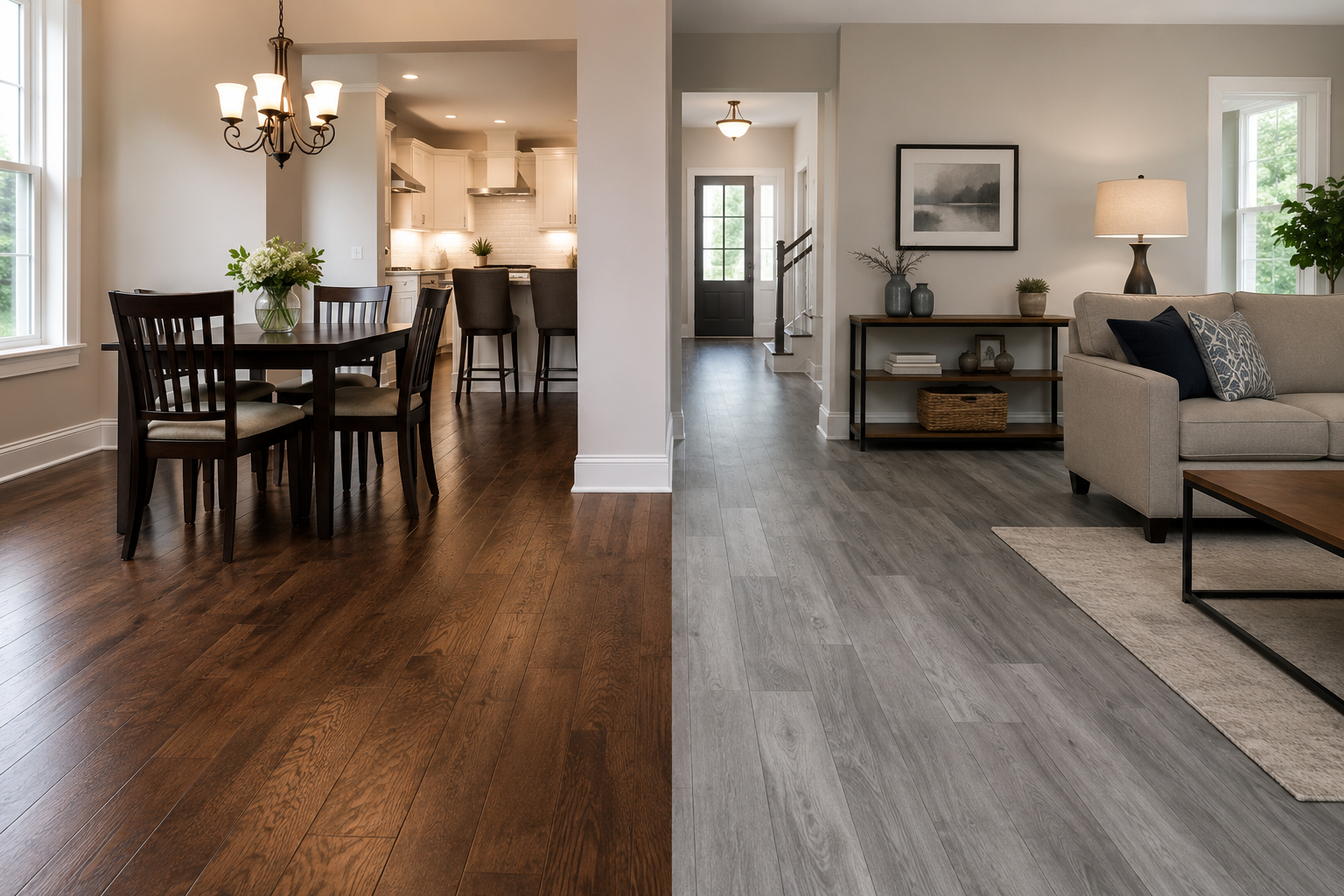
- Flooring materials
- Lighting
- Custom pieces (e.g., window treatments, cabinetry)
- Delivery and installation fees
Getting multiple quotes from contractors and suppliers helps you compare prices and avoid surprises later.
Step 6: Build a Contingency Fund
No project ever goes exactly as planned — unexpected repairs, delays, and upgrades happen. That’s why it's smart to set aside 10–15% of your total budget as a contingency fund. This cushion gives you peace of mind and prevents budget stress.
For example:
If your total budget is $20,000, reserve $2,000 just in case.
Step 7: Track Your Spending
Organization is key. Use a spreadsheet, budgeting app, or a project management tool to track:
- Planned vs actual costs
- Due dates for payments
- Vendor contacts
- Receipts and invoices
When you track every expense, you stay in control — and you’ll be able to adjust if something starts to run over.
Step 8: Make Smart Savings Without Sacrificing Style
1. Mix High and Low
Invest in key pieces (like seating or lighting) and choose cost-effective items for accents.
2. Repurpose What You Have
Refinish cabinets, reupholster chairs, or repaint existing furniture for a fresh new look.
3. Shop Seasonal Sales
Timing can dramatically reduce costs — end-of-season sales or holiday discounts help stretch your budget.
4. Hire a Designer Strategically
Professional designers can often access trade discounts or recommend cost-efficient alternatives you may not find on your own.
Final Thoughts
Budgeting for an interior design project doesn’t have to be overwhelming. With clear goals, realistic planning, and smart tracking, you can create a space that reflects your style and stays within your means.
If you feel unsure where to start, working with experienced interior designers can help you define goals, manage costs, and bring your dream space to life — all while staying on budget. Your perfect home is closer than you think!
POPULAR POSTS