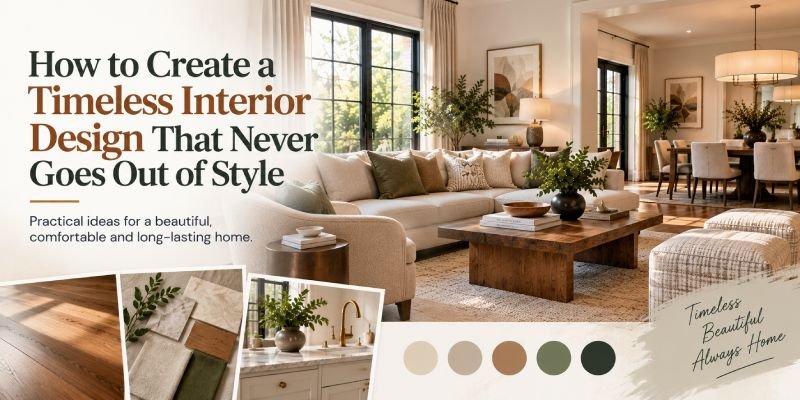
How to Create a Timeless Interior Design That Never Goes Out of Style
Your home should look beautiful, but it should also support the way you live every day. The furniture should feel comfortable, the colors should work together, and every room should have a clear purpose. Most importantly, your home should still feel right even when popular design trends change.
That is the idea behind timeless interior design. Instead of following every new trend, it focuses on thoughtful choices, balanced proportions, quality materials, practical layouts, and personal details that remain appealing for years.
For homeowners in West Windsor, Princeton, Plainsboro, and surrounding New Jersey communities, a timeless approach can be particularly useful when furnishing a new home, renovating an older property, or updating a few rooms without changing everything.
The good news is that timeless interiors do not need to look plain, formal, or traditional. You can use color, artwork, modern furniture, and distinctive accessories while maintaining a design that feels connected and comfortable.
In this guide, we will explain how to create a timeless home, which design decisions deserve more attention, what mistakes to avoid, and how to balance long lasting choices with your personal style.
What Is Timeless Interior Design?
Timeless interior design is an approach that prioritizes lasting appeal over short lived trends. It combines attractive design with comfort, functionality, quality, and flexibility.
A timeless living room, for example, might include a comfortable sofa with classic proportions, natural wood furniture, layered lighting, textured fabrics, and artwork that reflects the homeowner’s personality. The room may include a few modern accessories, but its entire appearance does not depend on a single trend.
Timeless design is not about avoiding change. It is about making sure that changes can happen without requiring a complete renovation.
Consider the difference between these two approaches:
Trend focused approach: Choosing every piece of furniture, wall finish, and decorative item around one popular look.
Timeless approach: Creating a balanced foundation with durable materials and versatile furniture, then introducing current styles through smaller decorative details.
The second approach gives you more flexibility as your tastes, family needs, and lifestyle change.
1. Start With Your Lifestyle and Daily Needs
Before choosing furniture or colors, think about how you actually use your home.
A beautiful interior is not successful if it makes everyday activities difficult. A formal living room may look impressive, but it will not serve your needs if your family prefers a relaxed seating area for reading, watching television, or spending time together.
Ask yourself a few practical questions:
- How many people regularly use each room?
- Do you entertain guests frequently?
- Do you work from home?
- Do you have children or pets?
- Do you need additional storage?
- Which rooms receive the most daily use?
- Do you prefer a quiet atmosphere or a more colorful interior?
Your answers will help determine the right furniture, fabrics, layout, lighting, and materials.
For example, a family with young children may benefit from durable upholstery, easy to clean surfaces, and practical storage. Someone who frequently entertains guests may need flexible seating and a layout that allows people to move comfortably between the living and dining areas.
Timeless design begins with understanding your needs rather than copying a photograph.
2. Choose a Balanced and Adaptable Color Palette
Color has a major influence on how a home feels. It can make a room appear warmer, brighter, calmer, or more dramatic.
For a timeless interior, begin with a color palette that works with the architecture, flooring, natural light, and furniture.
Warm white, cream, beige, taupe, muted green, soft blue, and earthy shades are useful options. However, neutral colors are not compulsory. Deep blue, olive green, burgundy, and other richer shades can also create lasting appeal when used thoughtfully.
A practical way to plan your palette is to choose three types of colors:
Base colors: These form the foundation of the room, such as wall colors, large rugs, or major upholstery.
Supporting colors: These connect the larger elements, including curtains, accent chairs, cabinetry, and bedding.
Accent colors: These add personality through artwork, cushions, decorative objects, and smaller accessories.
You do not need to use the same colors in every room. Instead, repeat a few related shades or materials to create a visual connection throughout the home.
Before finalizing paint or fabric, test samples in the actual room. Natural daylight, evening lighting, flooring, and nearby materials can change how a color appears.
For more detailed guidance, explore the Color Theory Services for New Jersey Homes.
3. Invest in Furniture With Classic Proportions
Furniture has a strong influence on the character and functionality of an interior. While decorative styles change, furniture with comfortable proportions and practical designs can remain useful for many years.
Look for pieces that suit the size of your room and support how you use the space.
A sofa should offer comfortable seating without blocking walkways. A dining table should provide enough room for everyday meals and occasional gatherings. Bedroom furniture should allow easy movement around the bed.
Consider these factors before purchasing major furniture:
- Size and proportion
- Comfort and support
- Frame construction
- Fabric durability
- Ease of cleaning
- Storage requirements
- Compatibility with existing pieces
- Flexibility for future room changes
You do not have to buy expensive furniture to create a timeless interior. The important thing is to choose pieces that suit your home, budget, and lifestyle.
A simple sofa with good proportions may serve you longer than a highly distinctive design that becomes difficult to coordinate with other furniture.
4. Prioritize Quality Materials Where They Matter Most
Materials influence the appearance, durability, and maintenance needs of your home.
Natural wood, stone, ceramic, glass, metal, and quality textiles can all work in timeless interiors. The right choice depends on the room, your budget, and how the material will be used.
For example, flooring needs to handle daily foot traffic. Kitchen surfaces should suit cooking and cleaning routines. Upholstery should match the amount of use a sofa or chair receives.
Before selecting a material, consider:
- How often will it be used?
- Is it easy to maintain?
- Will it show scratches or marks easily?
- Does it suit the home’s overall style?
- Is it appropriate for the room’s moisture and temperature conditions?
- What are the installation and replacement costs?
Spending more on every finish is not necessary. It is often more useful to invest in the elements that receive the most use, while choosing more affordable options for accessories and decorative pieces.
A timeless home balances appearance with practical performance.
5. Focus on Space Planning Before Decorating
Even beautiful furniture and expensive finishes cannot compensate for a poorly planned layout.
Space planning determines how furniture, storage, lighting, and activity areas fit within a room. It also affects how people move between spaces and whether the home feels comfortable during everyday use.
Start by measuring the room, including walls, doors, windows, and other fixed features. Then consider the size of the furniture and the movement required around it.
For example, a living room may need a clear route between the entrance and adjoining rooms. A dining area should allow chairs to move without obstructing walkways. An open plan kitchen and living area may need separate zones for cooking, dining, relaxing, and entertaining.
Good space planning can make a smaller room feel more usable without adding square footage.
It is also useful when deciding whether to keep existing furniture, purchase new pieces, or change the purpose of a room.
Before making major purchases, sketch the layout or use scaled drawings to compare different arrangements. This can help identify problems before they become expensive to correct.
6. Use Lighting to Create Comfort and Depth
Lighting affects the appearance of colors, materials, furniture, and architectural details. It also influences how comfortable a room feels at different times of the day.
A timeless interior should not depend on one ceiling light to illuminate the entire room.
Instead, combine different types of lighting according to the space.
Ambient lighting provides general illumination through ceiling fixtures or other broad light sources.
Task lighting supports activities such as reading, cooking, working, or applying makeup.
Accent lighting highlights artwork, shelves, architectural features, or decorative objects.
Table lamps, floor lamps, pendant lights, wall lights, and recessed lighting can all contribute to a balanced lighting plan.
Choose fixtures that complement the room rather than competing with every other element. A distinctive chandelier can become a focal point, while simpler fixtures can provide a quieter background.
Also consider the color temperature of the bulbs. Warm lighting often creates a relaxed atmosphere in living rooms and bedrooms, while brighter task lighting may be useful in kitchens and work areas.
Whenever possible, plan lighting alongside furniture placement so that the fixtures support how the room will be used.
7. Combine Timeless Foundations With Current Trends
A timeless interior can still feel current. The key is deciding where to use trends.
Large or expensive elements, such as flooring, kitchen cabinetry, built in storage, and major furniture, deserve careful consideration because replacing them can require significant time and money.
Smaller decorative elements offer more freedom.
You can introduce current styles through:
- Cushion covers
- Throws
- Artwork
- Decorative lamps
- Vases
- Area rugs
- Small side tables
- Seasonal flowers
- Table accessories
Suppose you like a bold color that is popular this year. Instead of using it throughout the entire home, introduce it through artwork, cushions, or a decorative chair.
If your preferences change later, these elements can be replaced without redesigning the whole room.
This approach allows your home to develop naturally while preserving a consistent foundation.
8. Add Texture to Keep Neutral Interiors Interesting
A neutral color palette can look sophisticated, but using the same smooth surfaces and colors everywhere may make a room feel flat.
Texture adds visual depth without requiring many different colors.
Consider combining:
- Soft linen curtains
- Wool or textured rugs
- Natural wood furniture
- Smooth stone surfaces
- Upholstered seating
- Woven baskets
- Ceramic accessories
- Glass and metal details
The contrast between these materials makes the room feel more layered and inviting.
For example, a cream sofa can look more interesting when paired with a textured rug, a wooden coffee table, soft curtains, and a few contrasting cushions.
The goal is to create variety without making the room feel cluttered.
Pay attention to how materials look and feel together. A successful combination should be visually balanced and appropriate for the room’s everyday use.
9. Make Natural Light Part of the Design
Natural light can make a home feel more open and comfortable. It also affects the way colors and materials appear throughout the day.
Before arranging furniture, look at the location and size of the windows. Avoid placing large pieces where they unnecessarily block daylight or make movement difficult.
Window treatments should support both appearance and function. Sheer curtains can soften daylight, while lined curtains or blinds may provide more privacy and light control when needed.
Mirrors can also help reflect available light, particularly when positioned thoughtfully in relation to windows and other light sources.
However, mirrors should not be added simply because a room feels small. Consider what they reflect and whether their placement supports the overall layout.
For New Jersey homes, it is useful to evaluate natural light in different seasons and at different times of day before finalizing paint colors, fabrics, or window treatments.
10. Choose Artwork and Accessories That Reflect Your Personality
Timeless interiors should feel personal rather than staged.
Artwork, books, family photographs, collected objects, travel souvenirs, and handmade pieces can give a room meaning. These details help make your home feel like a reflection of the people who live there.
You do not need to fill every shelf or wall.
Instead, select pieces that have personal meaning or complement the room’s colors, scale, and character.
A large artwork can create a focal point above a sofa. A small collection of ceramics can add interest to a console table. Family photographs can bring warmth to a hallway or staircase.
Give important pieces enough space to stand out. Too many accessories can make a room feel crowded and distract from the furniture and architecture.
The most successful interiors often combine a considered overall design with objects that have personal significance.
11. Maintain Consistency Between Rooms
A home does not need to follow one strict design style in every room. However, there should be some connection between the spaces.
Without a shared design direction, each room may feel as though it belongs to a different house.
You can create continuity by repeating selected colors, wood tones, materials, metal finishes, or design details.
For example, a living room may feature warm wood furniture, while the dining room uses a different wood finish with a similar undertone. A hallway might repeat the same wall color found in adjoining rooms. Similar metal finishes can connect lighting fixtures and cabinet hardware.
Open plan homes benefit particularly from this approach because several functional areas are visible at the same time.
Consistency does not mean everything must match exactly. It means the elements should feel related.
12. Avoid Common Mistakes That Make Interiors Look Dated
Some design choices become difficult to live with because they prioritize immediate visual impact over long term comfort and flexibility.
Here are a few mistakes to avoid.
Following every trend: Too many trend driven choices can make the home feel disconnected. Select trends that suit your preferences and use them in places that are easy to change.
Ignoring furniture size: Oversized furniture can restrict movement, while undersized pieces may feel lost in a large room.
Choosing finishes separately: Flooring, cabinetry, paint, fabrics, and lighting should be considered together.
Overdecorating: Filling every surface with accessories can make a room feel busy. Leave some open space.
Ignoring storage: Insufficient storage often leads to visible clutter, regardless of how attractive the room looks initially.
Choosing appearance over comfort: Furniture should support everyday use, not simply look good in photographs.
Making decisions without measurements: Check room dimensions, furniture sizes, door openings, and walkways before making major purchases.
Avoiding these mistakes can help create an interior that remains functional and attractive as your needs change.
13. Plan Your Budget With Long Term Use in Mind
A timeless home does not require unlimited spending. It requires a clear understanding of your priorities.
Begin by separating essential items from optional purchases.
Essential items might include comfortable seating, suitable flooring, functional storage, appropriate lighting, and materials that can handle daily use.
Optional items might include decorative accessories, seasonal pieces, additional artwork, and statement objects that can be added later.
Also consider the full cost of a design decision. A material may have a low purchase price but require frequent maintenance. Another option may cost more initially but suit your needs for longer.
Compare quality, maintenance, installation, and replacement costs before deciding.
If you are renovating several rooms, consider completing the foundational work first and adding decorative details in stages. This can help you stay within budget without compromising the overall design direction.
14. When Should You Consider a Home Design Consultation?
Some homeowners enjoy planning their interiors independently. Others find it difficult to coordinate furniture, materials, colors, lighting, and layout decisions.
A home design consultation can help clarify the options and establish a practical direction before major spending begins.
It may be particularly useful when:
- You are moving into a new home.
- You want to renovate multiple rooms.
- Your current layout does not support your daily routine.
- You are unsure how to coordinate colors and materials.
- You want to keep some existing furniture.
- You need help planning a realistic budget.
- You want to compare layout options before construction.
The scope of support depends on the project. It may involve an initial discussion, layout drawings, color recommendations, furniture selection, material guidance, or more detailed project coordination.
For homeowners in West Windsor and nearby New Jersey communities, Décor Design Services offers interior design support covering space planning, color selection, furniture and fabrics, budget planning, and related design needs.
A consultation gives you an opportunity to explain what is working, what needs attention, and what you want to achieve before deciding on the next steps.
A Practical Checklist for Creating a Timeless Home
Before making major interior design decisions, review this checklist:
- Have I identified the main purpose of each room?
- Does the furniture fit the available space?
- Do the colors work with the existing flooring and finishes?
- Have I considered natural and artificial lighting?
- Are the selected materials suitable for daily use?
- Is there enough storage?
- Do the rooms feel connected?
- Have I balanced practical needs with personal style?
- Am I using trends in places that can be changed easily?
- Does the design fit my budget?
- Have I checked measurements before purchasing furniture?
- Will the space continue to work if my lifestyle changes?
You do not need to solve every detail immediately. Use the checklist to identify the decisions that matter most and work through them in a sensible order.
Planning a home update in West Windsor or the surrounding New Jersey area? Décor Design Services can help you discuss your goals, explore layout options, and determine the right design scope for your project.
Contact Décor Design Services to discuss your interior design project.
Call: +1 201 284 8621
Email: neha.bansu@gmail.com
Frequently Asked Questions
What makes an interior design timeless?
Timeless interior design combines functional layouts, balanced proportions, suitable materials, coordinated colors, comfortable furniture, and personal details. It focuses on choices that remain useful and appealing beyond short lived trends.
Are neutral colors necessary for timeless interior design?
No. Neutral colors are popular because they are versatile, but timeless interiors can include rich or bold colors. The key is choosing shades that work with the architecture, lighting, materials, and overall design.
How can I make my home look timeless on a limited budget?
Start with furniture placement, decluttering, lighting, and a coordinated color palette. Keep useful existing furniture, invest in important high use items, and introduce personality through affordable accessories, artwork, and textiles.
How often should a timeless interior be updated?
There is no fixed schedule. You can change accessories when your tastes change, repaint when necessary, and replace furniture when its condition or function requires it. Major changes should be based on practical needs rather than trends alone.
Can modern furniture work in a timeless home?
Yes. Modern furniture can fit beautifully into a timeless interior when its proportions, materials, comfort, and overall design work with the rest of the space.
Is professional interior design necessary for a timeless home?
Not always. Homeowners can make many decisions independently. However, professional guidance may be useful when coordinating several rooms, planning a renovation, selecting materials, or solving complex layout problems.
Conclusion: Create a Home That Feels Right for Years
Creating a timeless interior does not mean making your home look the same forever. It means building a comfortable and practical foundation that can adapt as your preferences and lifestyle change.
Start with your daily needs, plan the layout carefully, select furniture that fits the space, and choose materials that suit your budget and maintenance expectations. Use color and texture to give each room character, and introduce current trends through accessories that are easy to change.
Most importantly, make decisions based on your home rather than trying to reproduce a look from a magazine or social media post. The right interior should feel natural, personal, and comfortable to live in.
A timeless home begins with thoughtful choices, a clear plan, and a design that reflects the people who live there.