Furniture and Fabric Selection Tips for a Cohesive Interior Design
Furniture and Fabric Selection Tips for a Cohesive Interior Design
Have you ever walked into a room and thought, “Something feels off” but couldn’t quite explain why? Most of the time, it’s not the paint color or the sofa alone. It’s how everything works together. Smart furniture and fabric selection plays a huge role in creating harmony. The right pieces connect your space visually, emotionally, and practically.
In this guide, we’ll break down simple, designer-approved tips to help you create a home that feels intentional, balanced, and beautifully put together.
What Does Cohesive Interior Design Really Mean?
Cohesive interior design simply means everything in the room feels connected. It’s about balance, proportion, harmony, and flow. Nothing feels random or out of place.
When furniture is chosen without intention, such as pairing a farmhouse table with an ultra-modern acrylic chair without a connecting element, the space can feel cluttered. A cohesive room tells one clear story.
Start with a Clear Design Vision
Define Your Interior Style
Before buying anything, pause and define your style. Do you prefer modern simplicity, traditional warmth, transitional balance, or minimalist calm?
Create a Mood Board
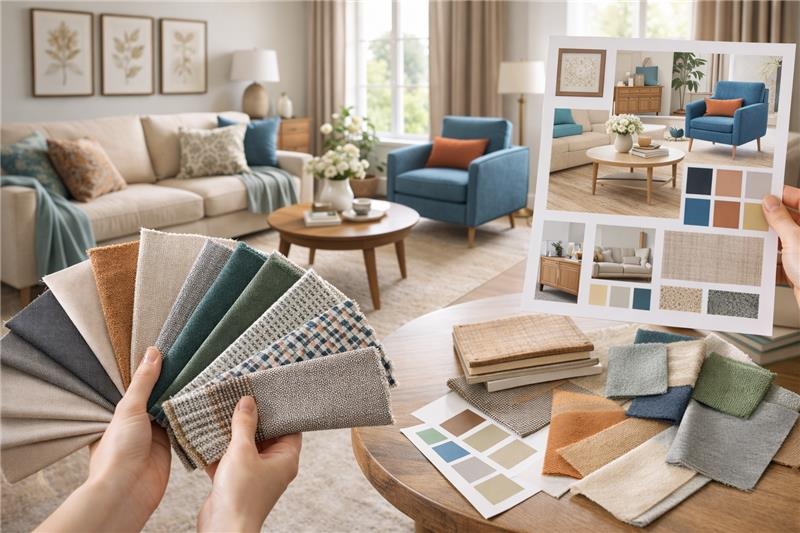
Create a mood board using Pinterest or magazine references. Seeing everything together helps prevent impulse purchases and mismatched pieces.
Lock in Your Color Palette
Choosing furniture before defining your colors often leads to inconsistency. Decide on your color palette first to ensure harmony across the space.
Choose a Consistent Color Palette
Primary, Secondary, and Accent Colors
Think in layers. Your primary color dominates the room. Secondary colors support it. Accent shades add personality and depth.
Mixing Patterns the Right Way
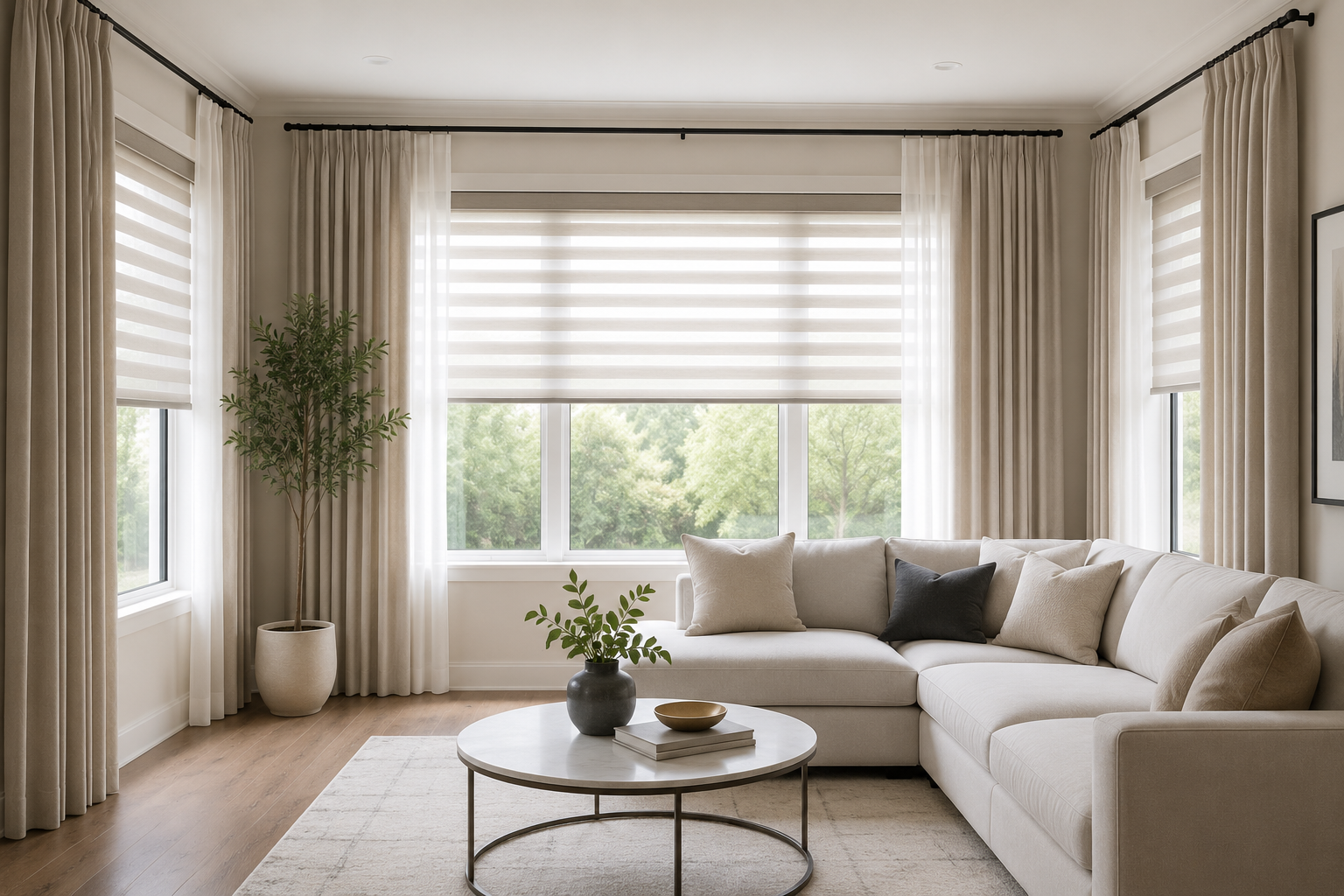
Fabrics should complement wall colors and flooring. Neutrals create a strong base, while patterns can be introduced through pillows or accent chairs. Combine one large-scale pattern with a smaller one to maintain balance.
Balance Furniture Styles and Shapes
Mix Styles Intentionally
A modern sofa can pair beautifully with a traditional wooden coffee table if they share a common color or finish.
Pay Attention to Scale
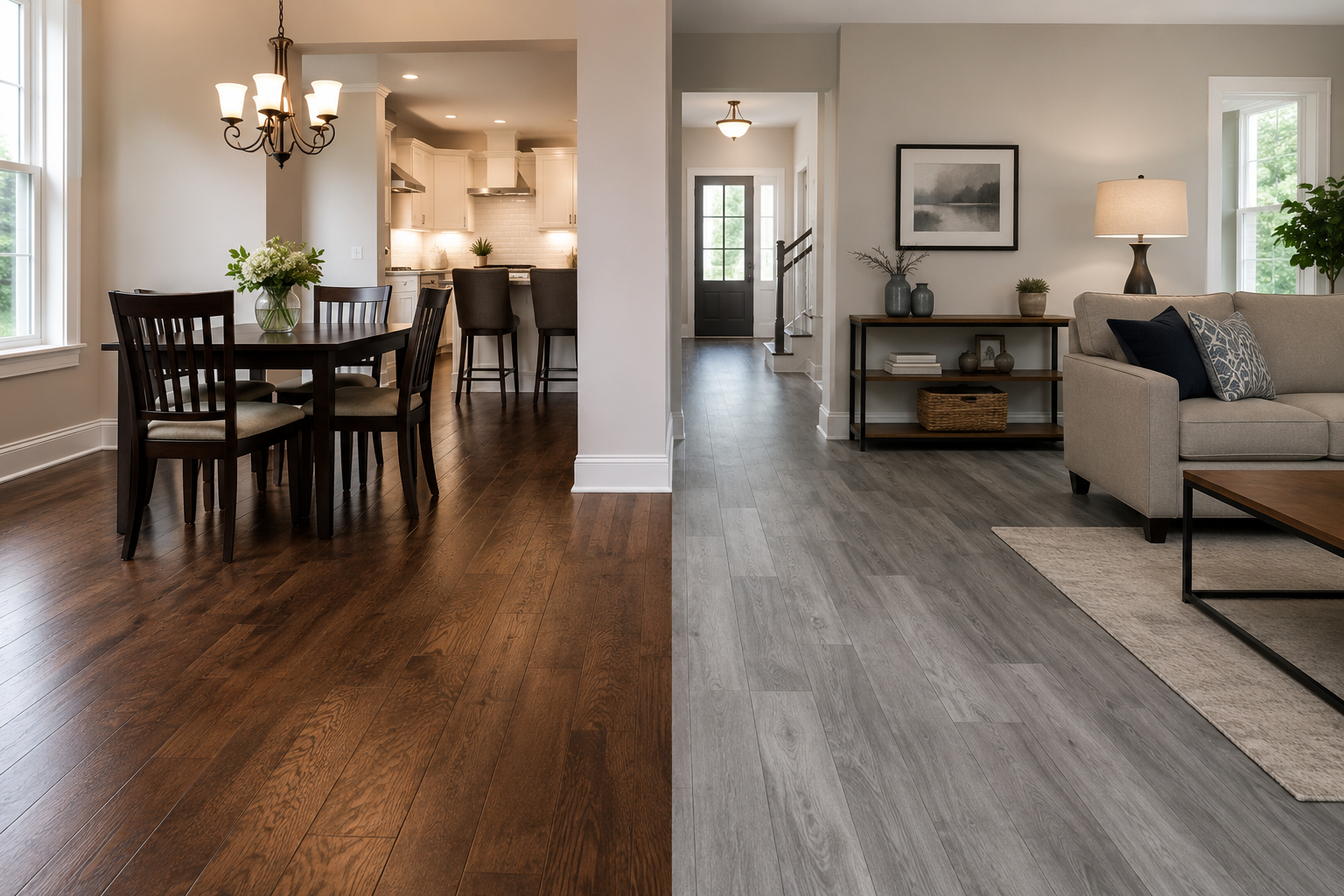
Oversized furniture overwhelms small spaces, while undersized pieces look awkward in larger rooms. Maintain visual flow between rooms by keeping finishes and tones consistent.
Fabric Selection: Texture, Durability and Function
Match Fabric to Lifestyle
Fabric selection is not just about aesthetics. Velvet looks luxurious but may not be ideal for homes with pets or young children.
Layer Textures for Depth
Layer textures like linen, leather, cotton, and performance fabrics to add warmth and dimension.
Choose Durable Options for High-Traffic Areas
Formal spaces can handle delicate fabrics, while busy areas require durable, easy-to-clean materials.
Maintain Material and Finish Consistency
Repeat Finishes Strategically
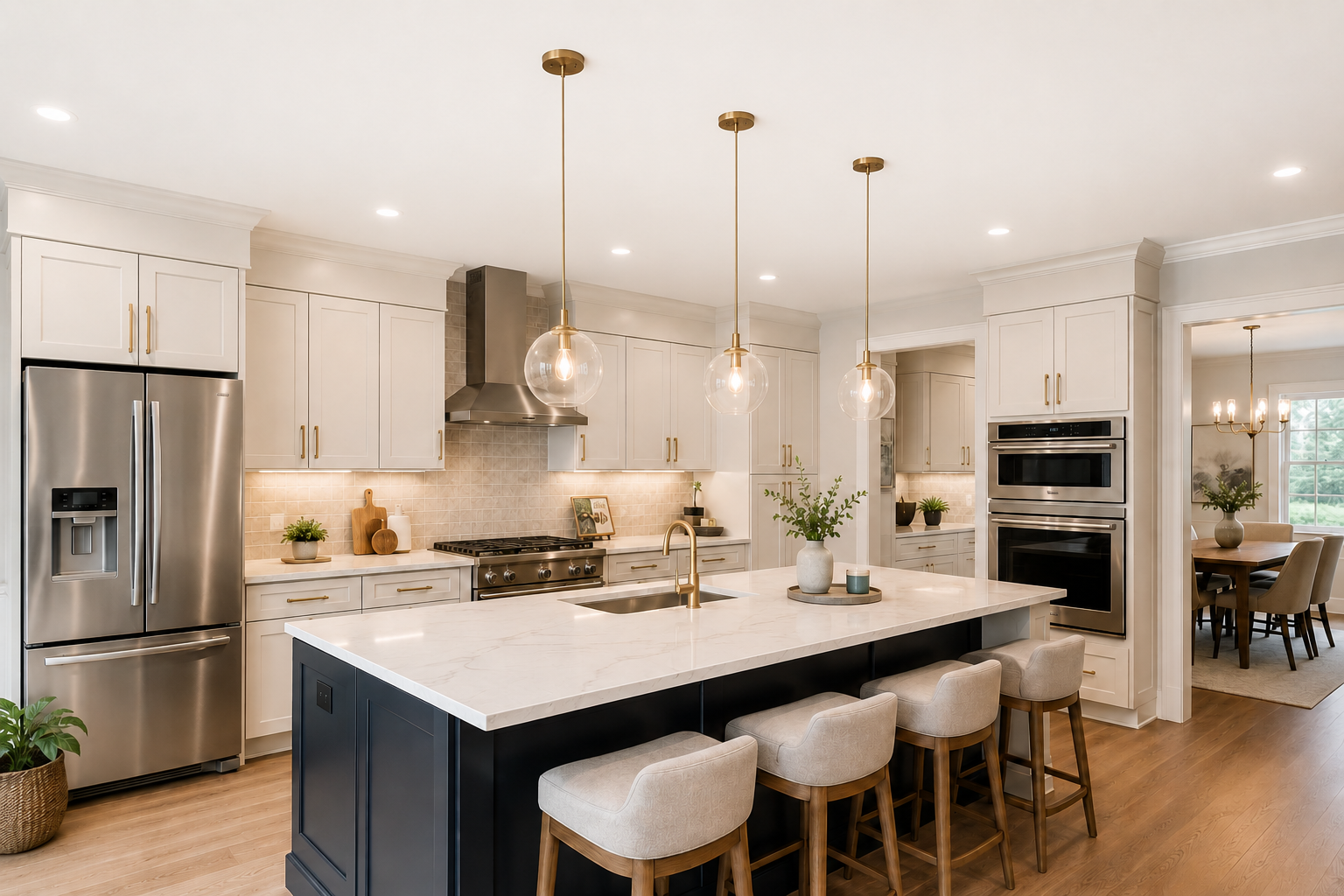
If you use brass lighting fixtures, repeat brass accents in hardware or decor. Wood tones do not need to match exactly, but they should complement one another.
Create Focal Points with Statement Pieces
Choose One Star Element
Every room benefits from a standout feature such as a bold sofa or sculptural coffee table.
Balance Bold with Subtle
If one piece makes a strong statement, keep surrounding elements softer so the space feels balanced.
Don’t Forget Comfort and Practicality
Test Before You Invest
Comfort is just as important as style. Test seating depth and cushion support before purchasing.
Balance Trends with Timeless Pieces
Statement accents can follow trends, but foundational furniture like sofas should offer long-term appeal.
Room-by-Room Cohesion Strategy
Living Room
Coordinate upholstery, rugs, and accent chairs to maintain unity.
Bedroom
Layer fabrics through headboards, bedding, and textured throws for warmth.
Dining Room
Keep table and chair finishes complementary for a polished look.
Open-Concept Spaces
Repeat colors or materials to visually connect each zone.
Common Furniture and Fabric Selection Mistakes to Avoid
Ignoring scale, overmixing patterns, choosing trendy pieces over timeless designs, and selecting delicate fabrics for high-use furniture are common mistakes that disrupt cohesion.
When to Work with a Professional Interior Designer
A professional designer can help you avoid costly mistakes and source unique furniture and fabrics. They ensure your entire home feels cohesive rather than disconnected room by room.
Conclusion
Creating a cohesive interior design does not require a degree. Start with a clear vision, define your color palette, balance styles thoughtfully, and prioritize comfort and durability.
When you approach furniture and fabric selection with intention, your home transforms into a beautifully connected space that truly feels like you.
POPULAR POSTS